

Dell XPS 16 (2026) Two-minute review
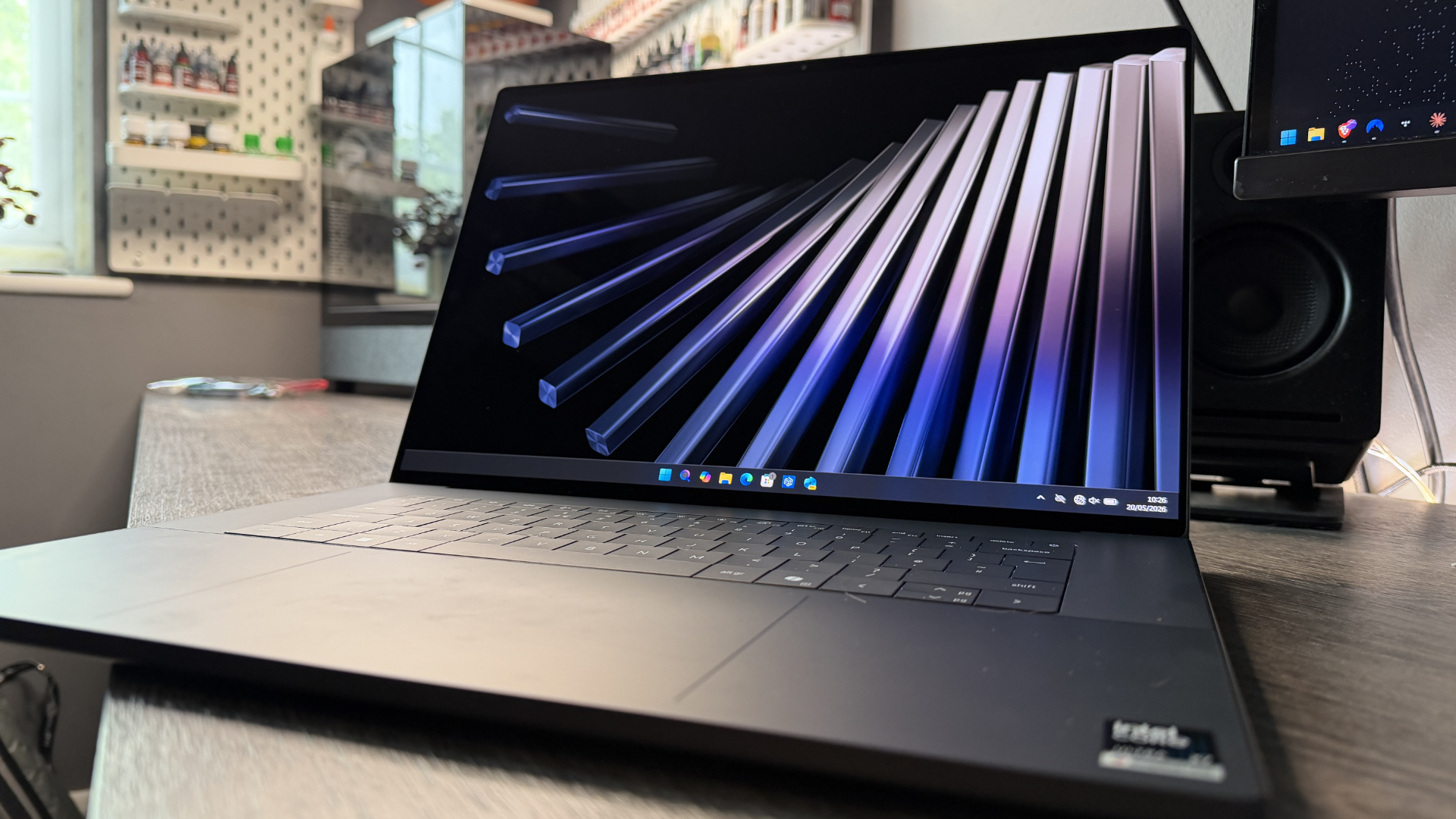
Dell's XPS line finally returns at long last. The company may have shifted tack in its naming scheme, but the XPS has returned, and it's back with a bang. The Dell XPS 16 (2026) I have tested here is beyond impressive. With a clean, crisp aesthetic, stylised CNC black aluminum chassis, super-thin bezels, and a keyboard that genuinely makes you question what other laptop manufacturers have been doing for the last 10 years, it's otherworldly in appearance.
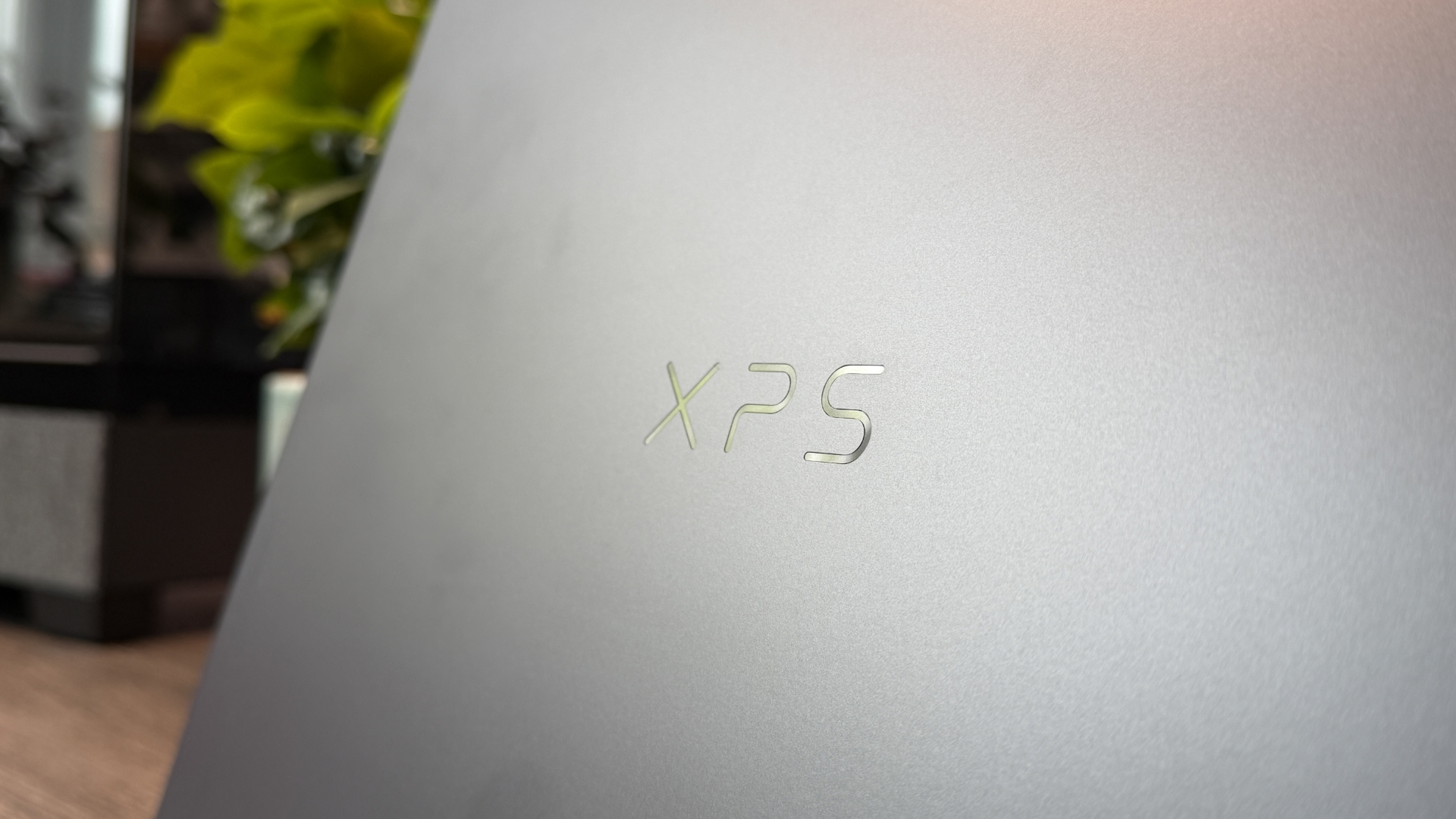
There's no drama, no ostentatious LEDs or illuminated logos, just clean, tidy lines and materials that complement it perfectly. Even the screen (in my review spec, a 3K touch OLED 3,200 x 2,000 @ 120Hz) leaves little to be desired.
But that's not where it ends; it's how it performs that really drives home the point. Thanks to Intel's latest Panther Lake architecture, that Core Ultra X7 358H, combined with Intel's own Arc B390 discrete GPU, delivers buckets of both battery life and performance across the board. You can game on this thing quite comfortably on titles like Total War: Warhammer 3, Cyberpunk, Black Myth Wukong, the works. And it has a battery life that'll run for the entirety of your working day and then some.
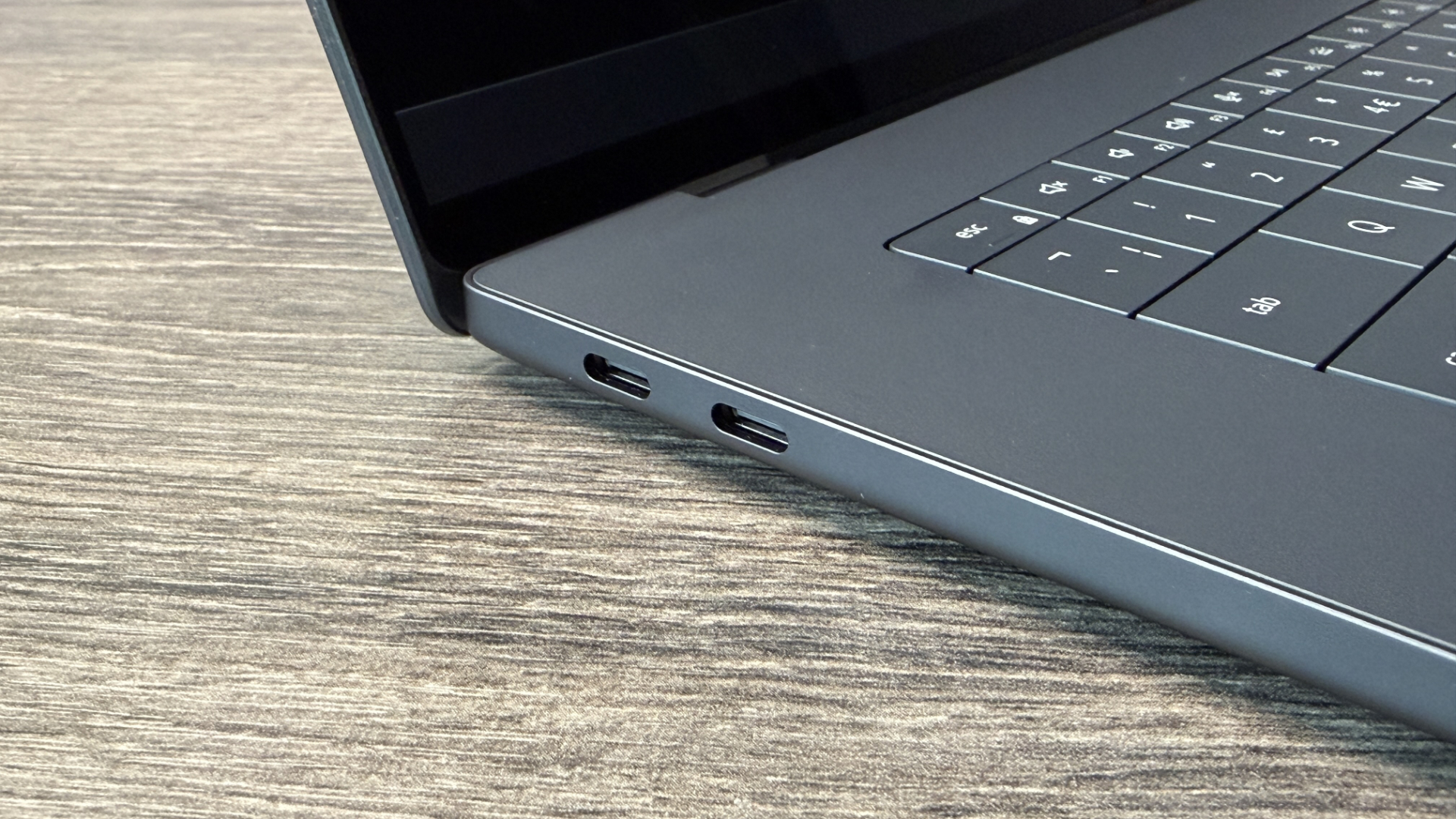
Honestly, it's hard to critique this thing. But there are a few blemishes that do need highlighting. You get a grand total of three USB-C ports, and that's it (admittedly Thunderbolt 4), and the price is a little bit higher than what you'd find on the likes of Apple's MacBook Pro 16-inch (M5).
Is that the end of the world, though? No, not really. Dell has absolutely delivered here. The XPS 16 is, by far, the best laptop I've ever tested.
Dell XPS 16 (2026) review: Price & release date
- Available globally
- Premium pricing without the B390
- Non-upgradable RAM, so buy your spec now
Available right now, you can pick up a Dell XPS 16 (2026) starting at around $2,029.99 or $2,769.99 in the US. The UK and Australia also have some slightly more affordable configurations available as well (where you can change the screen, shift the processor, and drop the memory and SSD capacity further, but I wouldn't recommend you go below the above specs. Still, for global availability, it's a clean sweep, no matter where in the world you are.
The base chassis itself is the same across the board, and there is a Dell XPS 14-inch edition too, if you'd like something a little more compact. By design, you can't upgrade the XPS 16's memory as it's utilizing LPDDR5X soldered directly to the motherboard. So do bear in mind, it's better to pick a higher-end spec now than regret it later.
The SSD, however, you can swap out at a later date if you so desire, albeit with a bit of effort.
- Value: 3.5 / 5
Dell XPS 16 (2026) review: Specs
| Base | Review |
|---|---|---|
Price | $2,029.99 / £2,449.99/ AU$4,129.40 | $2,769.99 / £2,849 / AU$4,728.99 |
CPU | Intel Core Ultra X7 355 | Intel Core Ultra X7 358H (1.9 GHz, 16 Cores) |
GPU | Intel Graphics (integrated) | Intel Arc B390 (discrete) |
RAM | 16GB LPDDR5X | 32GB LPDDR5X |
Storage | 1TB M.2 NVMe PCIe 4.0 SSD | 1TB M.2 NVMe PCIe 4.0 SSD |
Display | 16-inch Non-touch LCD 2K (1920 x 1200), 16:10, 120Hz | 16-inch Touch OLED 3K (3200 x 2000), 16:10, 120Hz |
Ports and Connectivity | 3x Thunderbolt 4 USB Type C, 3.5mm Combo Audio Jack; Wi-Fi 7, Bluetooth 6.0 | 3x Thunderbolt 4 USB Type C, 3.5mm Combo Audio Jack; Wi-Fi 7, Bluetooth 6.0 |
Battery | 70Wh | 70Whr |
Dimensions | 311 x 214 x 15mm (12.2 x 8.4 x 0.6in) | 353 x 237 x 15mm (13.9 x 9.4 x 0.6in) |
Weight | 2.16lbs (0.98kg) | 3.65lbs (1.65kg) |
Dell XPS 16 (2026): Design
- Exceptionally premium
- Can't upgrade memory, but you kinda don't need to
- Lack of ports could be a deal breaker
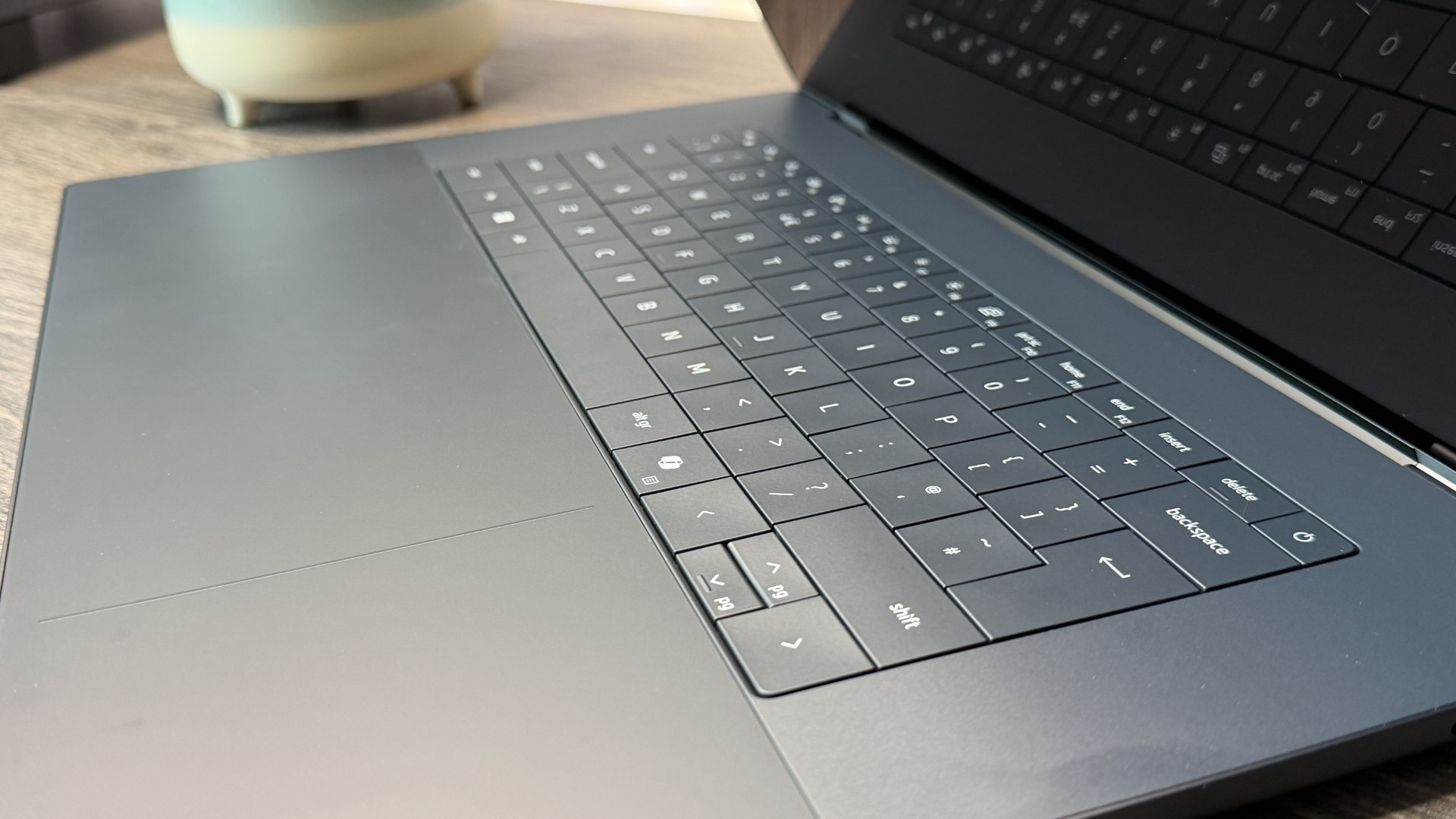
This thing is beautiful. I've said it enough at this point, but the XPS 16 just absolutely oozes class. From a beautifully sophisticated anodized CNC-machined black aluminum chassis, to the super-thin bezels surrounding that high pixel density 3K OLED touch display, to the softly backlit keyboard, and the subtle XPS branding, it is just gorgeous through and through.
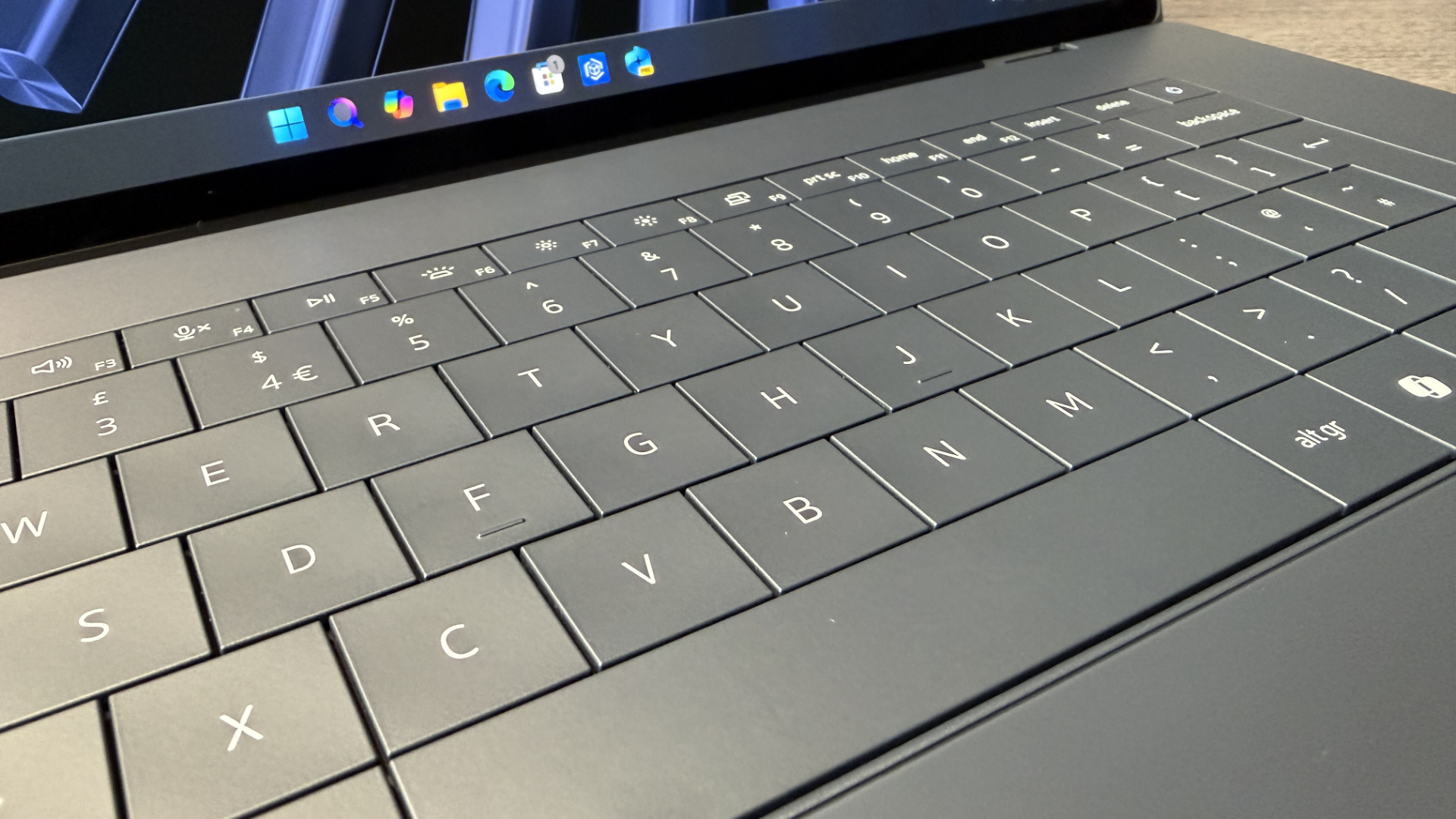
Dell's not held back on its design chops here. This is for professionals and minimalists who want something that's clean, pristine, and exceptional, all packaged up in a beautifully weighted 16-inch package. One negative perhaps? It is a bit of a fingerprint magnet, so do keep a microfiber cloth handy before you jump into that board meeting.
The keyboard's gorgeous, too. Low profile. Quiet. Backlit. With keys that don't stand out or shout. The feel of the actuation, too, although obviously nowhere near akin to a mechanical keyboard, is comfortable enough. There's plenty of spacing as well, and although the bottom row is slightly offset compared to a traditional QWERTY design, it doesn't take long to get used to.
The ports are a little sparse, admittedly, to accommodate all of that, but on the flip side, each and every one of them is Thunderbolt 4, meaning you've got power delivery and draw up to 100W, 40Gbps data transfer, PCIe 4.0 tunneling, and DisplayPort 2.0 alt mode as well (meaning basically you can hook up two 4K displays without worry. All built out of the USB-C connection standard). It's phenomenal. There are some laptops out there now debuting with Thunderbolt 5 this year (typically workstation models), but this is by no means poor at any level.
The only other negative (again, if you can call it that) is that you cannot upgrade the RAM. The XPS 16 uses LPDDR5X memory, which is soldered directly to the motherboard.
The advantage of this is that the interconnect isn't the bottleneck, and memory speed is through the roof, with the 32GB in my review unit topping out at staggering 9,600 MT/s. That's nearly 70% faster than the most mainstream kits you get on a high-end desktop.
- Design: 4.5 / 5
Dell XPS 16 (2026) review: Performance
- Surprisingly potent at gaming
- Solid CPU performance too
- SSD could be better
My only reservation with the Dell XPS 16 is the lack of higher-capacity storage at this price. That is more of an issue with the global supply chain right now. SSD pricing is still through the roof due to AI consumption being a little more unwieldy than manufacturers can accommodate.
But still, it does feel a little harsh that this £2,800 model only comes with 1TB of storage (again, all configurable on Dell's shop anyway). And to be fair, even competitors like Asus's ZenBook A14 are similarly priced at that capacity anyway.
The reason that feels harsh, though, is because in-game, the XPS 16 is a monster. That Arc B390 is one of the best discrete graphics cards I've ever seen in a laptop of this form factor. For those not in the know, Intel's own GPU line has quietly been building up momentum and offers some of the best performance per $ that money can buy. It's fantastic to see that architecture becoming more proficient generation on generation, and it shows.
3DMark: Night Raid: 43,862; Fire Strike: 13,179; Solar Bay: 27,600
Cinebench R24: 124 (single-core); 881 (multi-core)
GeekBench 6.5: 2,867 (single-core); 16,927 (multi-core)
BlackMagicDisk: Read: 4,686.6 MB/s; Write: 3,890.9 MB/s
CrossMark: Overall: 2,211 Productivity: 1,945 Creativity: 2,660 Responsiveness: 1,866
Total War: Warhammer III: 1080p, Medium: 101.5fps
Total War: Warhammer III: 1200p, Ultra: 58.6fps
Battery Life (TechRadar movie test): 17 hours 16 minutes
Our benchmarks for laptops like this typically test games at lower resolutions on medium profiles, to accommodate poor GPUs, but I didn't really need to with this. Total War: Warhammer 3, on Ultra at 1200p, managed 58.6 fps. That's near desktop levels of performance on an aggressively CPU-bound title.
CPU performance too was equally impressive, in no doubt thanks to that 16-core Panther Lake chip. It's got low base clock speeds, but that's mostly thanks to some super-efficient low-power economy cores that keep everything ticking at idle without consuming much in the way of juice.
Jump into a high-demand task, and those four performance cores kick into life, delivering an outstanding score of 881 in Cinebench R24 and 124 on the single core. Intel has stepped away from hyper-threading with its Ultra line (based on a new architectural shift from the original Core line), but despite the lack of threads, its performance per thread has shot up considerably.
Here's the thing: this laptop isn't just for execs; it's for designers, and gamers, and developers, and it just ticks box after box with wildly broad performance chops with seemingly little loss anywhere else.
- Performance: 5 / 5
Dell XPS 16 (2026): Battery life
- Rapid fast charging
- A 17-hour battery life
I've long been a fan of Snapdragon-based laptops, purely because the battery life typically ran rings around Intel and AMD's best laptop offerings (The Vivobook S 15 Copilot+, is particularly impressive).
It's the benefits of that ARM architecture over x86 (the latter being typically less efficient and far more power hungry than its RISC-esque competitors).
I don't know how Intel has done this with Panther Lake (I hazard again it's likely because of those low-power, efficient cores), but in our battery benchmark, the XPS 16 scored a phenomenal 17 hours and 16 minutes, before going into standby mode.
- Battery life: 5 / 5
Should I buy the Dell XPS 16 (2026)?
Attributes | Notes | Rating |
|---|---|---|
Value | At a glance, the XPS's hardware seems overvalued; it's only when you dig under the surface that you realise why Dell chose the kit they did and priced it accordingly. | 3.5 / 5 |
Design | An extraordinary design, backed up with an exceptional display, potent (albeit a limited number of) ports, and some modest upgradability thanks to a swappable SSD. Plus, if you're not a fan of the 16, there's always the 14, too. | 4.5 / 5 |
Performance | Beyond all expectations, Intel's latest Panther Lake architecture, combined with the Intel Arc B390 discrete GPU, delivers exceptional performance no matter what task you throw at it. | 5 / 5 |
Battery Life | Apple is beating in many cases, and it even gives ARM laptops a run for their money, the XPS will look after you well beyond your standard working day | 5 / 5 |
Final Score | The XPS 16 is almost the complete package. The only downsides are that it could probably use one more USB-C port, and some form of anti-fingerprint coating. Outside of that. Phenomenal. | 4.5 / 5 |
Buy it if…
You're looking for the ultimate professional workbook, come ultrabook
With outstanding performance no matter the task, and a battery life to match, the XPS 16 takes the brand to new heights, delivering exceptional quality at almost every level.View Deal
You want something that doesn't shout about how good it is
This isn't a Ferrari or a Lambo; this is a finely tuned Porsche. Its sleek, minimalist design looks phenomenal, and it backs up that hardware underneath by a mile and then some. Timeless.View Deal
Don’t buy it if…
You want more than three USB-C ports
USB connectivity is limited to just three ports. All on the Thunderbolt 4 platform. Although very capable, we are seeing some high-end workbooks launch with Thunderbolt 5 this year.View Deal
You're on a budget and don't like Windows 11
This is a very soft negative, but it is slightly pricier than Apple's MacBook Pro 16, and you are stuck with Windows.View Deal
Also consider
Apple MacBook Pro 14-inch (M5)
If you like the sound of this but fancy a macOS equivalent, then Apple's latest MacBook Pro 14 (M5) is a solid alternative, with exceptional ARM-based silicon, a Mini-LED retina display, and all-day battery life with MagSafe charging. It's a beauty. The catch? You do lose out on two-inches of screen real estate, but you can grab the 16-inch variant for a little extra if you need to.
Read our full Apple MacBook Pro 14-inch (M5) reviewView Deal
Asus ZenBook S 16
For a Windows-based alternative that isn't Dell, the ZenBook S 16 is our current pick for the best ultrabook money can buy, and is a genuine in-class rival to the XPS. Asus is utilizing a ceraluminum chassis (technically an alu ceramic composite). It's properly unique, and the 3K OLED holds its own against the XPS 16 above. It packs in an AMD Ryzen AI 9 HX 370 as well, and is a bit cheaper too.
Read our full Asus ZenBook S 16 reviewView Deal
How I tested the Dell XPS 16
- Tested at home and in the office
- Benchmarked and used across gaming and productivity tasks
- 11 years of testing laptops, and 4 weeks with the XPS 16
I spent the last month or so living with the XPS 16 as my daily driver, moving over all of my workflow to it for my own agency work, and all of my freelance journalism as well as the odd recreational task, including writing my first novel. I streamed YouTube and Netflix on it, alongside using it for Tidal as well as some light work in Affinity.
I also benchmarked the XPS 16 extensively, utilising a mixture of CPU, gaming and storage-based synthetic and real-world tests, to truly understand exactly how it performed under targeted loads.
It is worth noting that all of this testing was performed in a cooler environment, so your performance may vary depending on where you are in the world.
- Read TechRadar’s reviews guarantee
- First reviewed: May 2026




