

Final VR3000 EX for Gaming: two-minute review
The Final VR3000 EX for Gaming is a multi-platform gaming headset aimed at the more affordable end of the gaming market. It offers a low-latency connection, a fold-to-mute mic, and spatial audio for a much more manageable price than many of the premium pads on the market. But does it deliver on everything it promises?
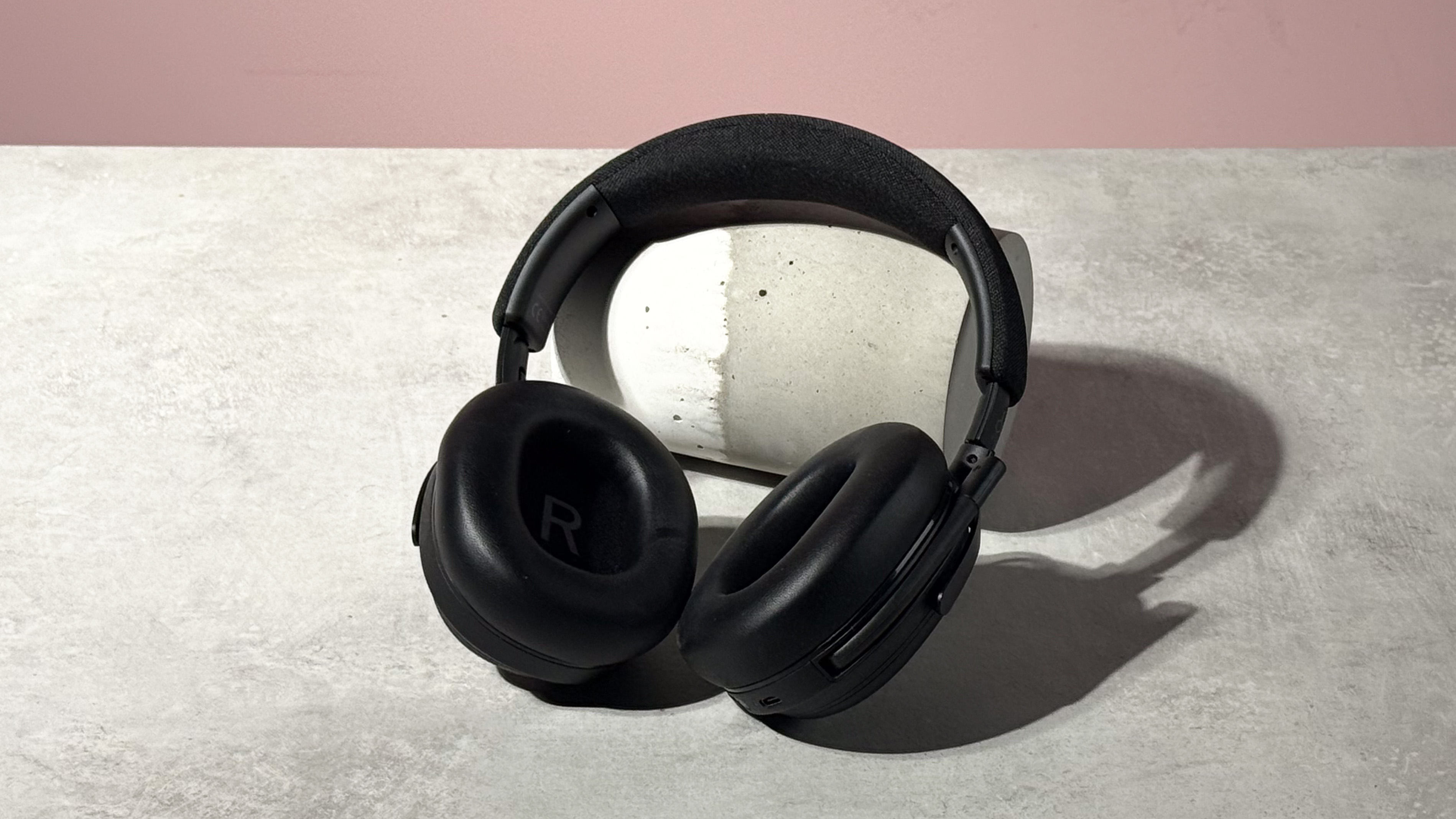
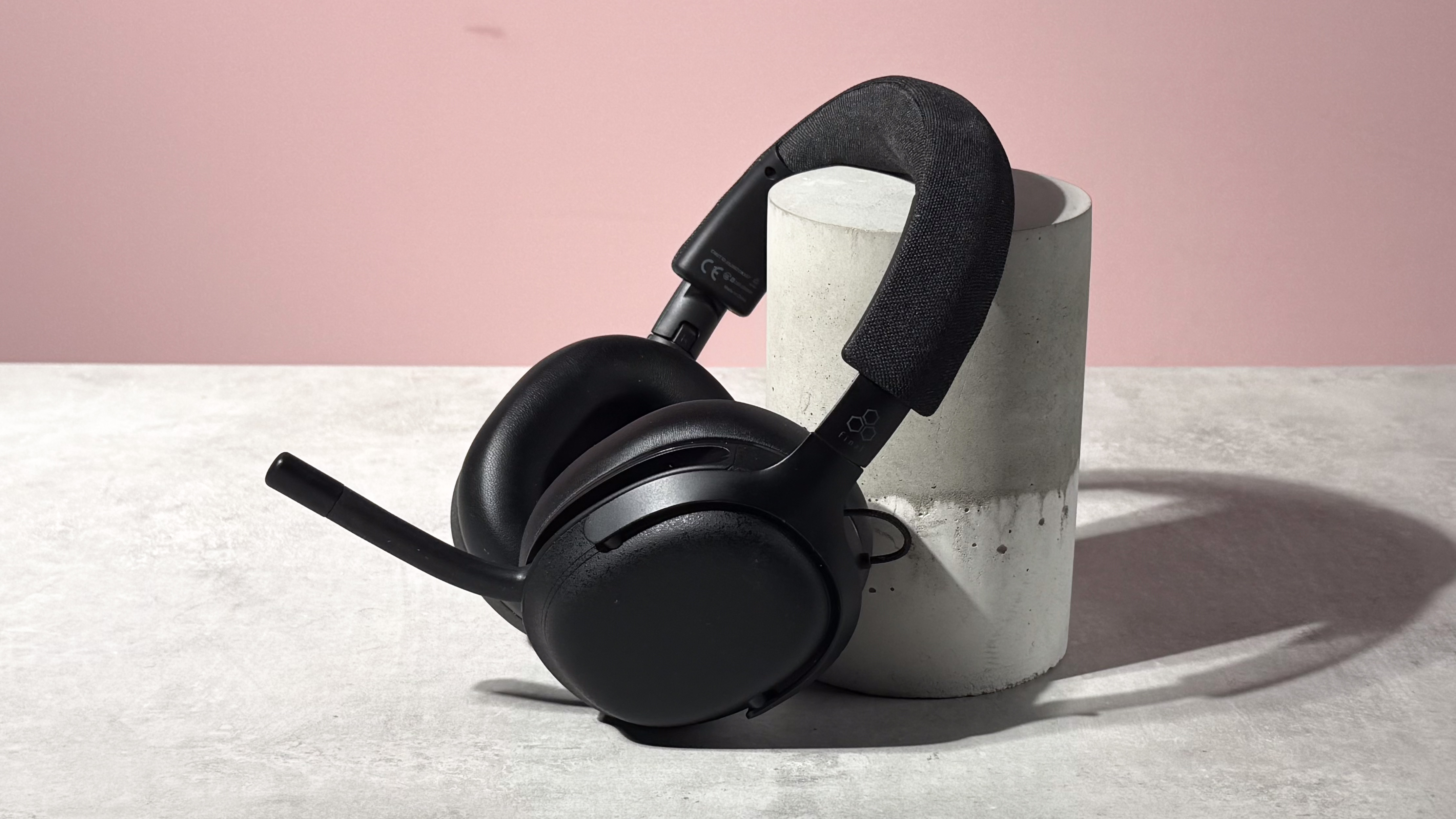
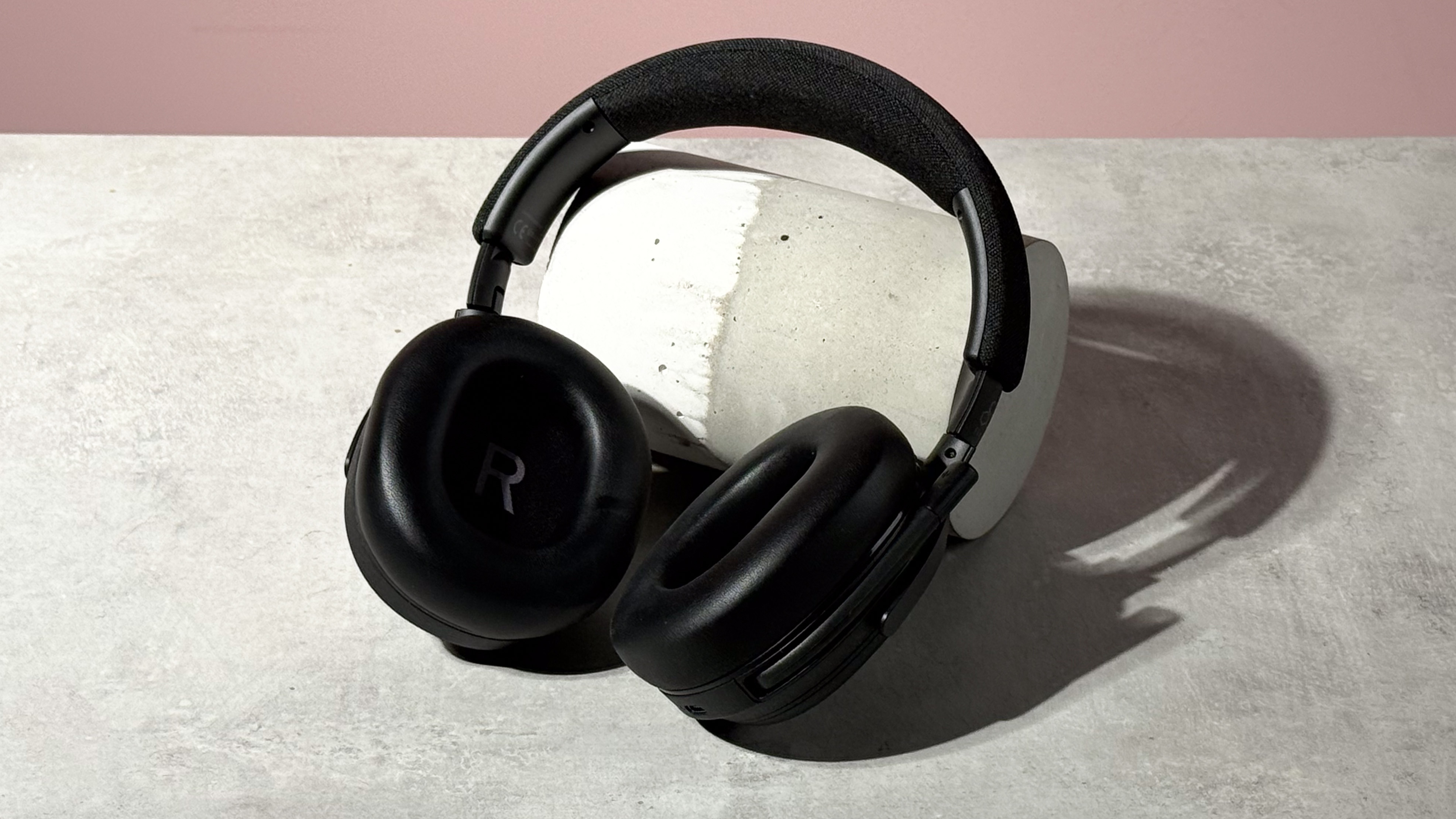
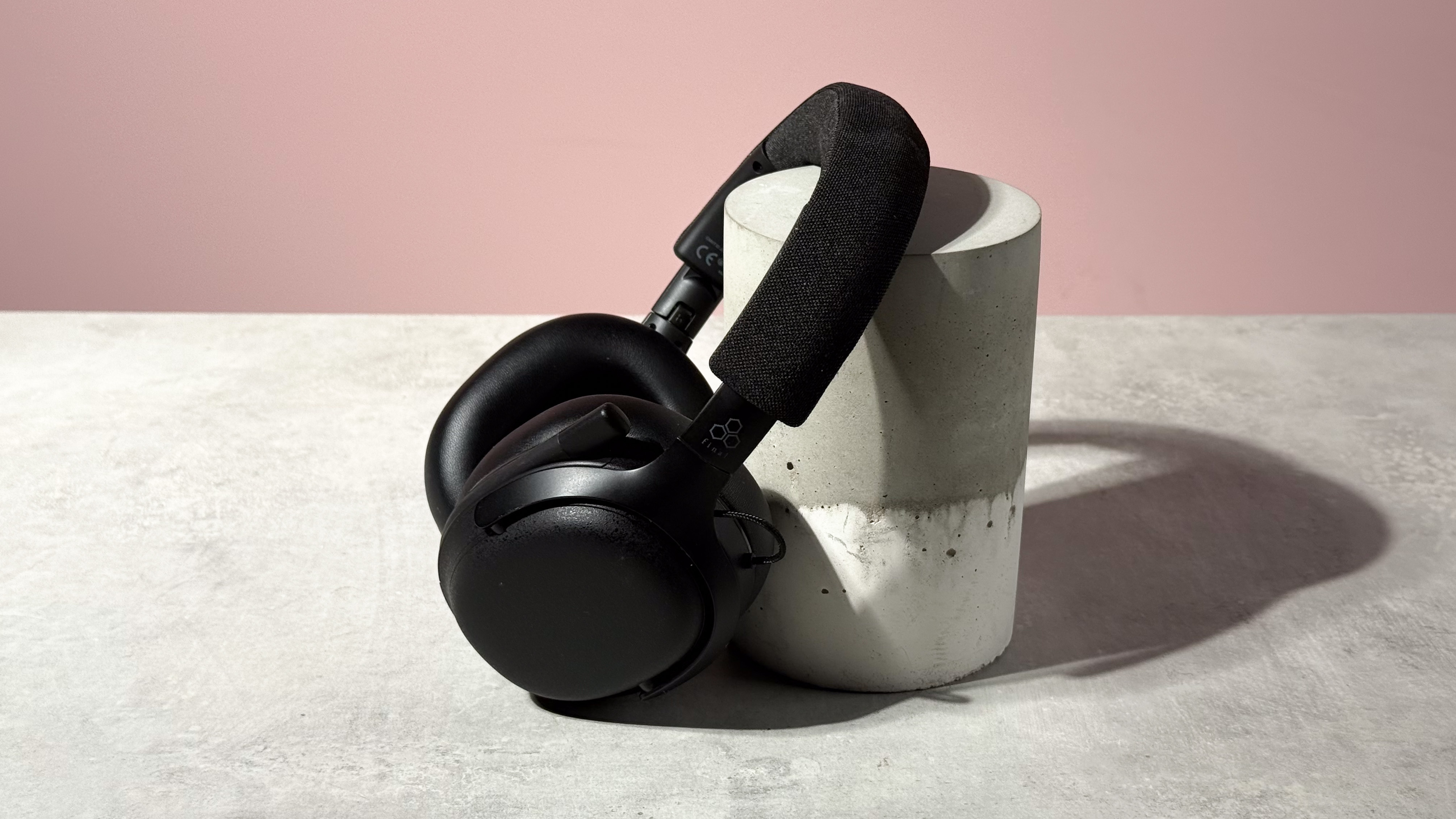
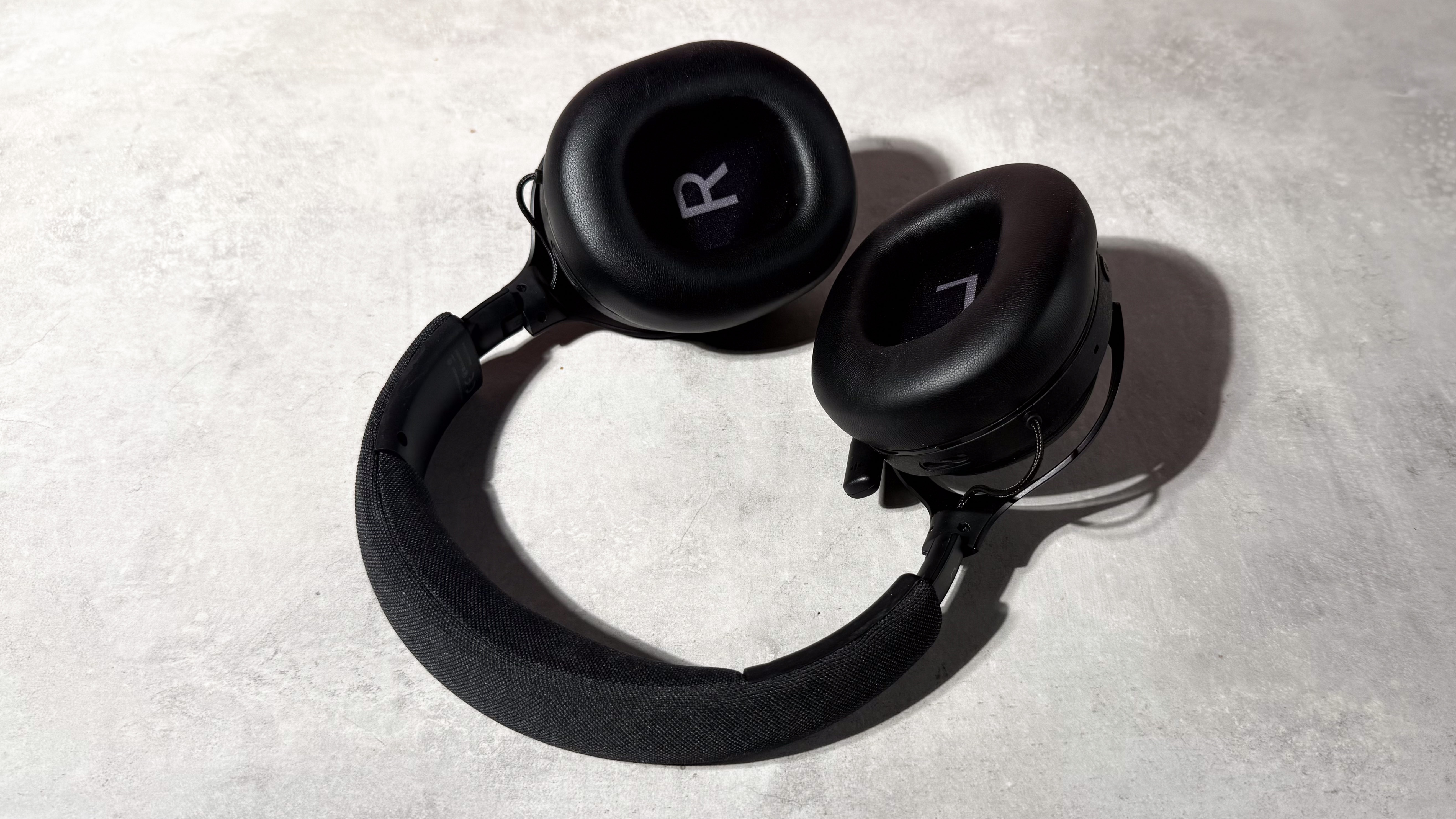
The Final VR3000 EX for Gaming’s build isn’t bad, all things considered. I’m not a huge fan of the plastic on its earcups or how rattly it can be — both make it feel a bit cheap and flimsy — while the adjustable headband doesn’t really go tight enough for people with smaller heads. But the fabric section of the headband and the faux leather cups are really comfortable: despite a tiny bit of sweatiness, I found them comfortable enough to wear for the best part of a day.
Sound quality on the VR3000 EX is really solid: trebles feel crisp enough to give everything real immediacy, while the mids have sufficient clarity that I could easily differentiate the different roars of demons I gunned my way through in Doom. The only area where I’d say the headset doesn’t quite match pace with the best wireless gaming headsets out there is bass. It would be nice if guns had a little more boom — unless I’ve really misunderstood, the F in BFG9000 does not stand for ‘feeble’.
On paper, the VR3000 EX has some pretty great features for its price point, but I found this was the point it really struggled to deliver. Although Final talks a good game about the headset’s spatial audio, in practice the only dimension I really found had strong differentiation was left / right, with noises behind me being harder to pinpoint and there seemingly being no height effect that I could detect at all.
The headset’s Footstep Clarity Mode is a similar story. While creeping around the Dust II map on Counter-Strike 2, I found detecting the footfalls of rivals to be pretty easy, which is great. However, I couldn’t really appreciate a significant difference in this, whether the mode was enabled or not. It seems churlish to complain about this, given footsteps were still easy to hear, but I’m just not sure how much this feature actually adds.
I will give Final less faint praise over the headset’s foldaway mic though. Testing it out, I found it did a pretty creditable job of picking up my voice and its fold-to-mute functionality worked well to stifle the recording, even though there was a slight lag of a little under a second for it to kick in. However, it doesn’t seem to have a near-field mic or significant noise gating, as when it was recording it absolutely picked up the background music I was playing and the clack of my keyboard.
And whatever quibbles I may have about the VR3000 EX’s other features, I was pretty blown away by its battery life. During my battery tests, I found that Final was pretty on the money with its 55-hour estimate for this headset. That blows even many more premium headsets out of the water for longevity and means you’re unlikely to need to charge it more than once a week, even if you’re gaming for a significant proportion of each day.
Everything is relative. Given its price, I’d usually be pretty generous with the Final VR3000 EX for Gaming. And it doesn’t get everything wrong: it has decent enough mids and trebles and a good stereo field. But bass is pretty lacking and many of the features it professes to have are almost imperceptible. In light of that, I’d argue another budget option like the Corsair HS55 Wireless might serve you better instead.
Final VR3000 EX for Gaming review: price & release date
- Launched on December 12, 2025
- List price of $149.99 / £99.99 / $259
- But it’s already on sale for £69.99 in the UK
Released on December 12, 2025, Final VR3000 EX for Gaming is available now. While it originally went on sale at a list price of $149.99 / £99.99 / $259, it’s already showing up for a fair amount less in some regions. You can currently pick it up for as little as £69.99 in the UK, which is a pretty low price for a gaming headset.
As for your options at that price, you probably won’t be surprised to hear that there’s not a whole load of customizability and it only comes in one colorway, black. On the plus side, there aren’t loads of different versions for different platforms: the one version of the VR3000 EX is compatible with PlayStation 5, Nintendo Switch 2 and PC, although unfortunately there’s no Xbox Series X / S compatibility.
Final VR3000 EX for Gaming review: specs
Drivers | 3D Extra Wide Sound Stage Over-Ear Dynamic Drivers |
Weight | 389g |
Compatibility | PC, Mac, PlayStation 5, PlayStation 4, Nintendo Switch, mobile |
Connection type | 2.4GHz Wireless (via ultra-low latency USB Transceiver), Bluetooth 5.3 |
Battery life | Up to 55 hours (800mAh capacity) |
Features | 25ms ultra-low latency mode, Footstep Clarity Modes, fold-to-mute microphone |
Software | Dedicated final VR3000 EX mobile app (10-band EQ customization, Footstep Clarity Mode toggle) |
Final VR3000 EX for Gaming review: design / features
- Comfortable to wear
- Not all materials feel that premium
- Epic battery life
- Quite loose fitting
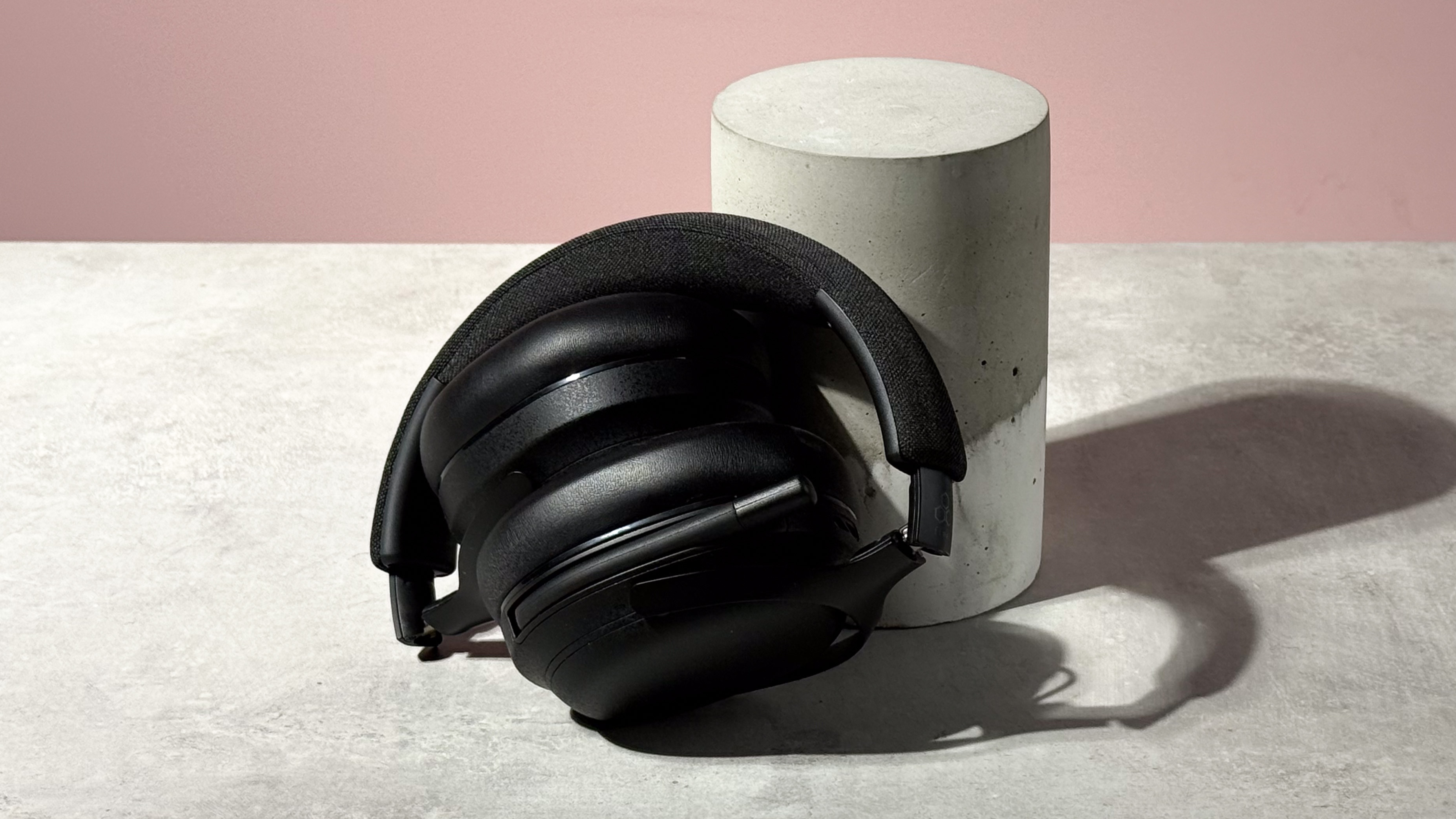
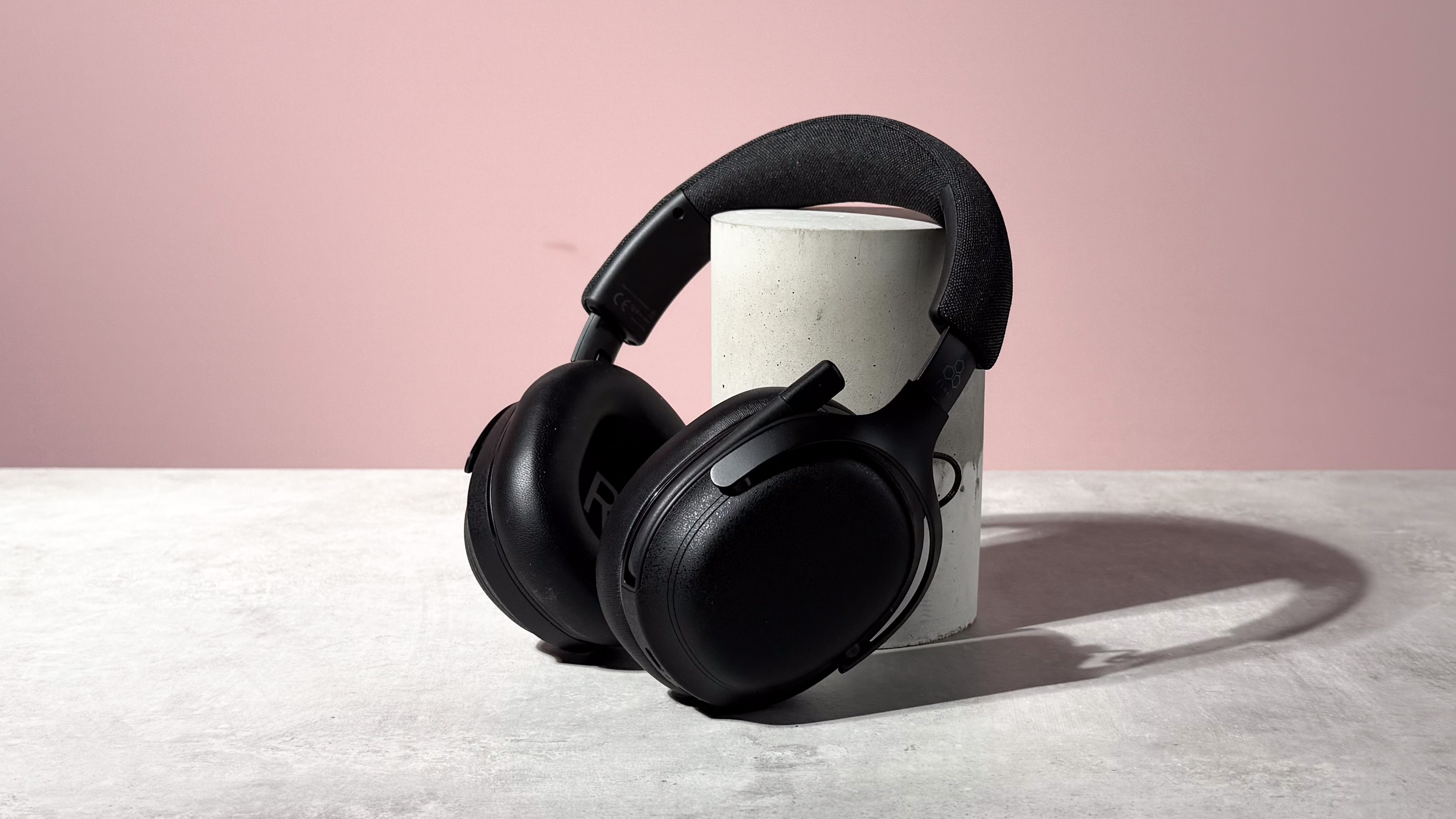
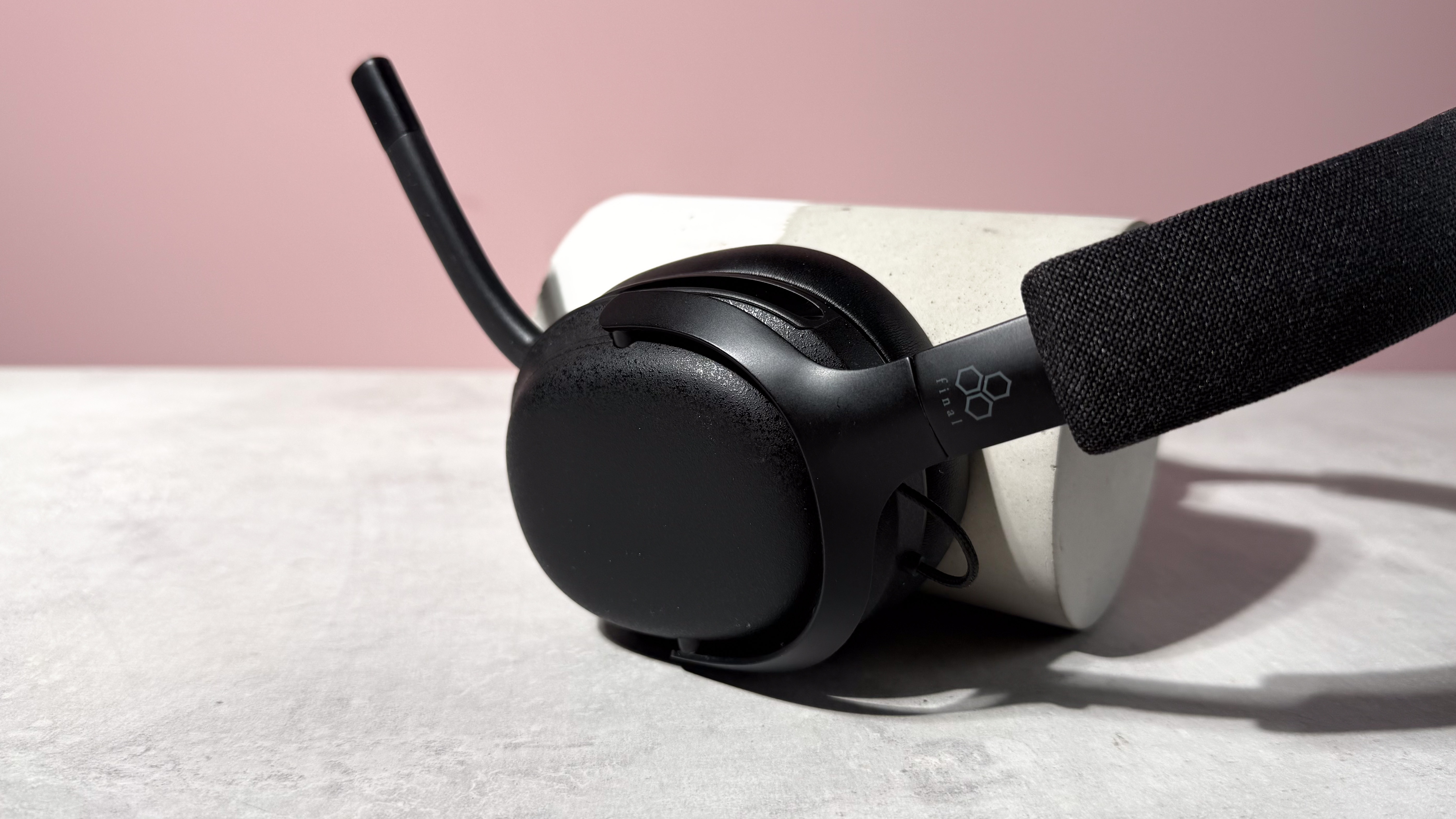
Given its price, it’s not surprising that the Final VR3000 EX’s build quality seems a little on the cheap side. Not only does the textured plastic on their cups feel pretty low quality, but they are incredibly rattly when you handle them, which doesn’t speak to a tremendously robust construction. On the plus side, they didn’t seem to rattle at all when they were on my head.
Additionally, the fabric headband and faux leather earcups are delightfully soft, meaning I actually found the VR3000 EX to be surprisingly comfortable. I wore them on and off for much of a day, and they didn’t start to squish my ears, a problem I’ve always found with cheaper headphones and headsets. However, I will say the faux leather gets decidedly sweaty during longer use, particularly during tense first-person shooters.
I’m less convinced by the VR3000 EX’s fit, unfortunately. While the clamping force feels just about right, it’s not all that easy to adjust the stiff adjustable headband while the headset is on your dome. And Final seems to have modeled this headset around Mr Mackey from South Park — I have a pretty big head and yet the VR3000 EX only just about felt stable on the shortest setting, while one of my smaller-skulled colleagues definitely found he couldn’t get it small enough for it to feel comfortable.
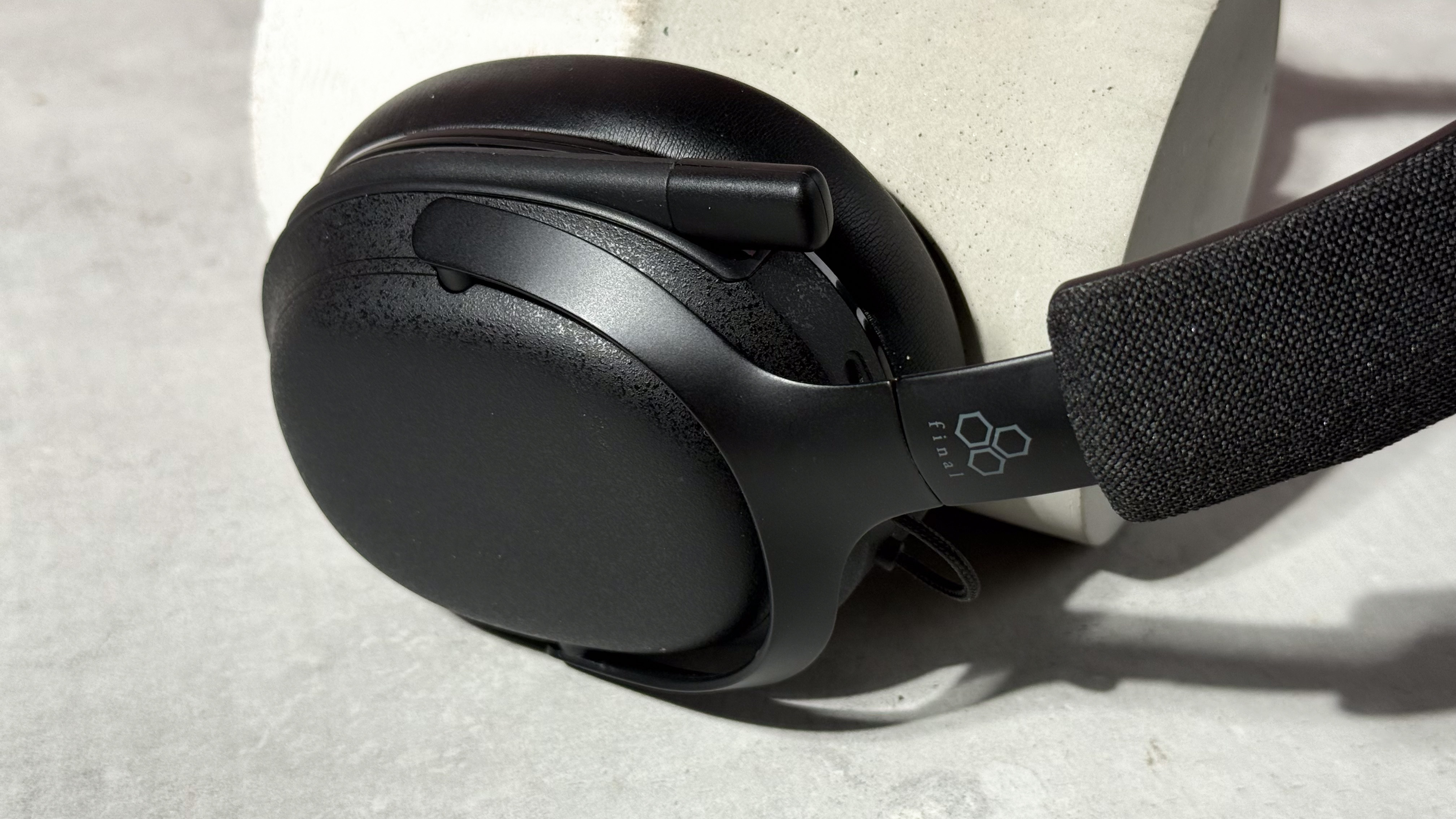
All of its controls are on the left earcup. There’s an on switch, the volume dial, a Mode button that lets you switch between Bluetooth and USB mode — as well as play/pause media and answer/end calls — and the Control button, which allows you to trigger Footstep Clarity Mode. Each button has a clicky enough action to provide decent tactile feedback, while the volume dial is lightly notched to make increasing the volume feel nicely precise. However, I will say that they’re positioned close enough that it’s not always easy to know right away which button is which by feel alone.
The app for the Final VR3000 EX is pretty limited. It has three features: it enables you to update the headset’s firmware, switch on Footstep Clarity Mode, and provides access to Final’s EQ settings. While it’s hard to justify using the app just for the Footstep Clarity Mode, the 10-band EQ that’s included is pretty decent, even if I’m not all that convinced that the impact of the lowest 31Hz is really that appreciable. So while it’s not like you need to rush to download this, it’s still useful so I’ll count this one as a bonus.
A far more unequivocal win for the VR3000 EX though is its battery life. Final quotes its total life as being up to 55 hours, and this was borne out by my testing. I set it streaming music constantly for six hours, and during that time the battery only dropped to 90% — a back-of-the-envelope calculation would put its total life at 60 hours. So even factoring in that battery discharge curves aren’t necessarily regular, I’d say 55 hours is a perfectly reasonable expectation for how long this headset should last you.
Final VR3000 EX for Gaming review: performance
- Good sound performance, even if bass is weaker
- Spatial audio claims totally overblown
- Not sure Footstep Clarity mode adds much
Design and features are all well and good. But where the rubber meets the road for a gaming headset is whether those things translate into a good sonic performance in-game. And, sadly, when you actually take the Final VR3000 EX for Gaming for a test drive, it doesn’t quite deliver on the expectations it’s set for itself.
The VR3000 EX sounds very decent, but it is a little uneven in how it handles the balance of frequencies. On the plus side, it has a good level of bite in the high-end. The screams of the possessed when I was playing Doom were immediate enough to be rattling, while the whine of my chainsaw as I carved up imps felt sufficiently realistic.
But it’s when it comes to bass that the VR3000 EX is a little more lacking. When I tested the Turtle Beach Atlas 200, I heaped praise on it for the almighty boom that issued when I was clicking heads with the sniper rifle in Counter-Strike 2. With the VR3000 EX, it almost felt like I was playing a different game, with the game’s rifles having scarcely any more impact than my dual Berettas. While that has a very limited impact on your kill ratio in-game, it does make the whole thing feel a lot less immersive.
Speaking of, Final spends a lot of time hyping up the VR3000 EX’s spatial audio skills in its product description. And yet I’d say rumors of its immersiveness have been greatly exaggerated.
On the one hand, the VR3000 EX has a pretty creditable stereo field, with action occurring on either side of me always feeling pretty easy to pinpoint. Whether I was trying to spot where an inbound explosive engineer was charging from or fleeing from hell knights in Doom, the VR3000 EX generally made it easy to tell which side their howls and roars came from.
Unfortunately, I can’t say Final’s headset fares as well in other dimensions. There’s just enough variation in footsteps in front and behind you that I could tell which was which when giving it my full attention — but in the heat of battle, I’m not sure how useful I actually found these subtle cues. And while Final explicitly mentions height effects on its site, I could not spot any significant difference at all between action happening above me and gunfights happening right under my nose.
Honestly, that’s fine: I do not expect accomplished Dolby Atmos-style effects from hardware that costs roughly the same dough as a couple of AAA computer games. But I do wish brands would stop denuding the term spatial audio of its meaning by using it as a marketing gimmick.
Sadly, the VR3000 EX also treads a pretty similar path with its Footstep mode. While engaged in a free-for-all deathmatch in Counter-Strike 2, the headset did a perfectly adequate job of allowing me to pick out my rivals’ footfall and react accordingly. So far, so good, right? Except during this match I switched Footstep mode on and off many times, and I genuinely couldn’t spot whether I was actually getting an enhanced sense of steps or whether it was largely just a placebo.
One area I’ll happily give the VR3000 EX its due, though, is its connectivity. Using its USB dongle, I honestly couldn’t detect any latency between kills onscreen and the crack of gunfire. While an effective low-latency mode is pretty common with gaming headsets, it’s still a welcome feature on a headset this affordably priced. Even when connected via Bluetooth, the audio wasn’t remotely laggy and enabled me to respond pretty quickly to what was going on around me. So it definitely gets some points there.
And as long as you don’t have particularly high expectations, the VR3000 EX’s foldaway mic works well enough as well. Its action is smooth, and the fold-to-mute function absolutely works, meaning you can be sure no one is overhearing you when you want a bit of privacy — although there is a lag of around a second before it mutes, so bear that in mind. Unfortunately, though, sound quality isn’t great, with my voice sounding a little bit on the tinnier side, and there’s no noise-gating that I can tell, meaning friends and foes online will be able to hear any background chatter or music in your room.
Should I buy the Final VR3000 EX for Gaming?
Buy it if…
You want decent game sound without spending a fortune
Despite not having quite as much low-end heft as some headsets, the Final VR3000 EX for Gaming has clear enough mids and treble to bring your games to life.
You want an epic battery life
Even compared to much more expensive headsets, the VR3000 EX has an impressive battery life, clocking in at roughly 55 hours. That should keep you gaming for days and days.
Don't buy it if...
You want a premium-feeling experience
The VR3000 EX feels comfortable enough on your head. But it’s not made of the most luxe-feeling materials, and the adjustable headband doesn’t run tight enough for smaller heads.
You want a premium-feeling experience
The VR3000 EX feels comfortable enough on your head. But it’s not made of the most luxe-feeling materials, and the adjustable headband doesn’t run tight enough for smaller heads.
Final VR3000 EX for Gaming review: also consider
Final VR3000 EX for Gaming | Corsair HS55 Wireless | Razer BlackShark V2 Pro (2023) | |
|---|---|---|---|
Drivers | 3D Extra Wide Sound Stage Over-Ear Dynamic Drivers | 50mm Neodymium | Customized Dynamic 50mm Driver (Razer TriForce Titanium) |
Weight | 389g | 266g | 320g |
Compatibility | PC, Mac, PlayStation 5, PlayStation 4, Nintendo Switch, mobile | PC, Mac, PlayStation 5, PlayStation 4, Nintendo Switch, mobile | PC, Mac, PlayStation 5, PlayStation 4, Nintendo Switch, mobile |
Connection type | 2.4GHz Wireless (via USB Adapter), Bluetooth 5.3 | 2.4GHz Wireless (via USB Adapter), Bluetooth | 2.4GHz Wireless (via USB Adapter), Bluetooth 5.2 |
Battery life | Up to 55 hours | Up to 24 hours (2.4GHz) / Up to 37 hours (Bluetooth) | Up to 70 hours |
Features | 25ms ultra-low latency mode, Footstep Clarity Modes, fold-to-mute microphone | Dolby Audio 7.1 surround sound (PC/Mac), Flip-to-mute boom mic | Detachable HyperClear Super Wideband 9.9mm Mic, THX Spatial Audio, Razer SmartSwitch toggle, FPS audio profiles |
Software | Dedicated final VR3000 EX mobile app (10-band EQ customization, Footstep Clarity Mode toggle) | Corsair iCUE (10-band EQ, mic settings, EQ presets) | Razer Synapse (10-band graphic EQ, THX Spatial layout) |
Corsair HS55 Wireless
There’s a reason that the Corsair HS55 Wireless is our current budget pick for the best PC gaming headsets. Its 50mm Neodymium audio drivers serve up crystal-clear sound with generous bass, while its build is super comfortable to wear. Most importantly, it offers true 7.1 Surround Sound, meaning it’s capable of much more impressive spatialized sound.
Read our full Corsair HS55 Wireless review.
Razer BlackShark V2 Pro
Despite having been released in 2022, the Razer BlackShark V2 Pro is still one of our favorite gaming headsets, thanks to its lush sound quality, epic battery life and THX spatial audio. And while its original list price of $179.99 / £179 / AU$299 is a fair bit higher than the VR3000 EX, in the years since its release its price has come way down: I’ve seen offers placing it more in the region of $107.99 / £99.98 / AU$176.55.
Read our full Razer BlackShark V2 Pro review.
How I tested the Final VR3000 EX for Gaming
- Tested over a week
- Tried out on a range of titles including Counter-Strike 2 and Doom
- Have 10 years experience writing about audio and 35 of gaming
I tested the Final VR3000 EX for Gaming over the course of a week. I paired it with my desktop PC at home, my MacBook Pro M4 and TechRadar’s Acer Predator Helios 300 gaming laptop. I then tested it out with multiple titles including Counter-Strike 2 and Doom, as well as listening to some playlists on Apple Music.
In terms of specifics, I tested out the spatial audio in multiple Counter-Strike 2 deathmatches and tried switching the Footstep Clarity Mode on and off to see how much difference that made to how perceptible opponents’ positions were. I recorded myself while talking, typing, and playing music to test the VR3000 EX’s foldaway mic, as well as folding it away to test how effectively it muted incoming audio.
When it comes to my personal experience, I’ve been writing about and testing audio gadgets for over ten years now, as well as using audio gear to produce and listen to music. I’ve been playing games on a daily basis since they were all 8-bit, sharing my time pretty evenly between console, handheld and PC gaming. And yet, it turns out, I still get thoroughly mogged when playing Counter-Strike 2, which I blame on my middle-aged reflexes.
- First reviewed: June 2026
- Read more about how we test




